 📞 (706) 502-0831 📞 (706) 502-0831
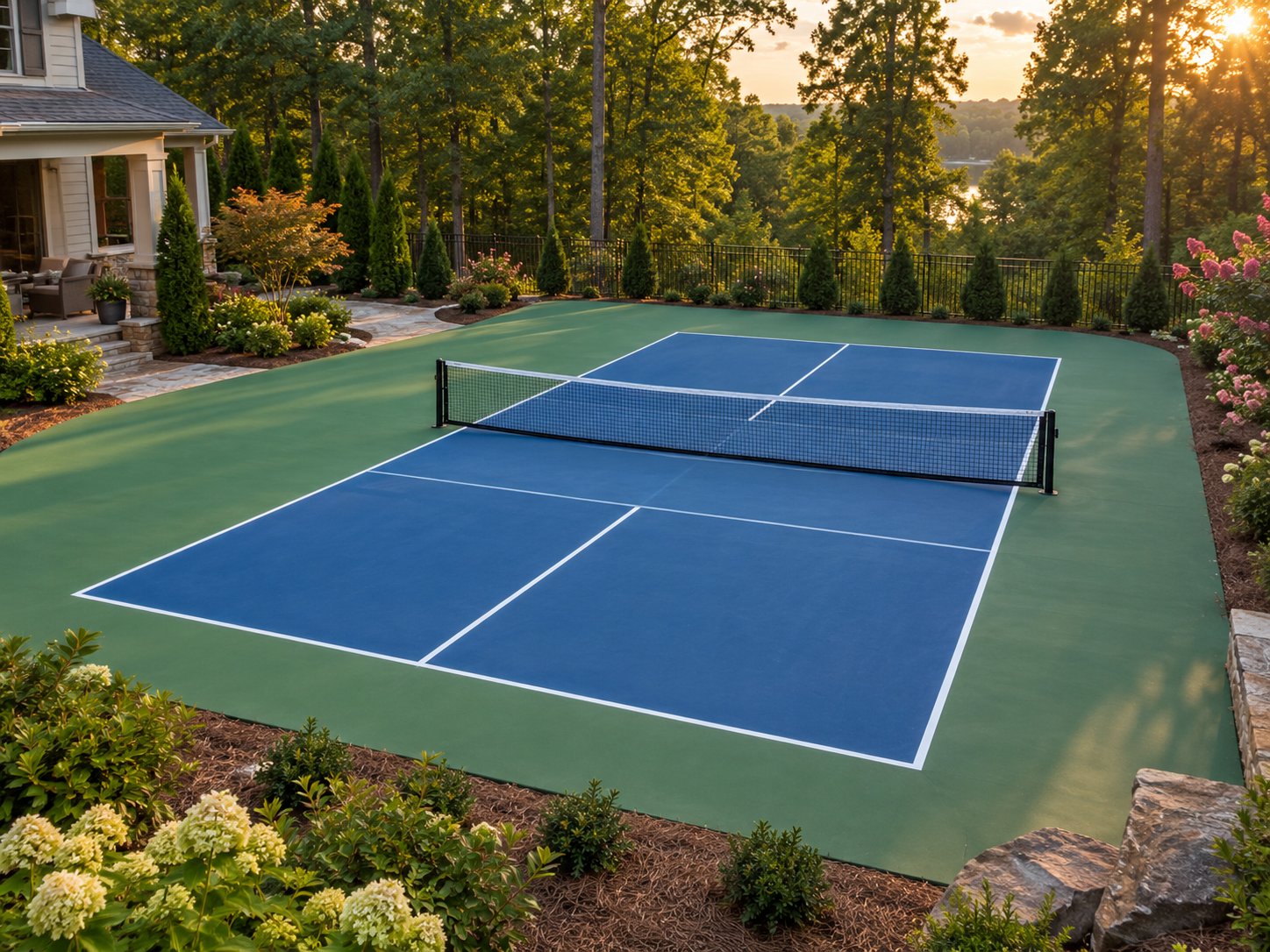
Custom backyard, HOA, club, and community pickleball courts in Charleston and across Charleston County. Built for Southern weather and years of great play.
We've received your request. Someone from our team will reach out to you shortly.
Need us sooner? Call (706) 502-0831
Charleston's Lowcountry charm comes with a unique set of building challenges, and nowhere is that more true than when you're planning a dedicated pickleball court. Between the high water table, sandy or pluff mud soils, salt laden air, and the ever present threat of a tropical system rolling in off the coast, building a court here takes more than a standard concrete pour. Peachtree Pickleball Courts has expanded out of metro Atlanta to serve Charleston County and the surrounding Lowcountry, bringing court construction experience to homeowners, HOAs, clubs, resorts, and commercial property owners who want a court built to actually hold up in this climate.
We work with local crews and regional concrete partners who understand Charleston's soil behavior, from the sandy fill common on Johns Island to the pluff mud pockets that show up closer to the marsh edges around James Island and Mount Pleasant. That local knowledge matters when it comes to site prep, drainage planning, and choosing the right base material, because a court that looks fine on day one can crack or heave within a year or two if the ground underneath wasn't handled correctly for this region.
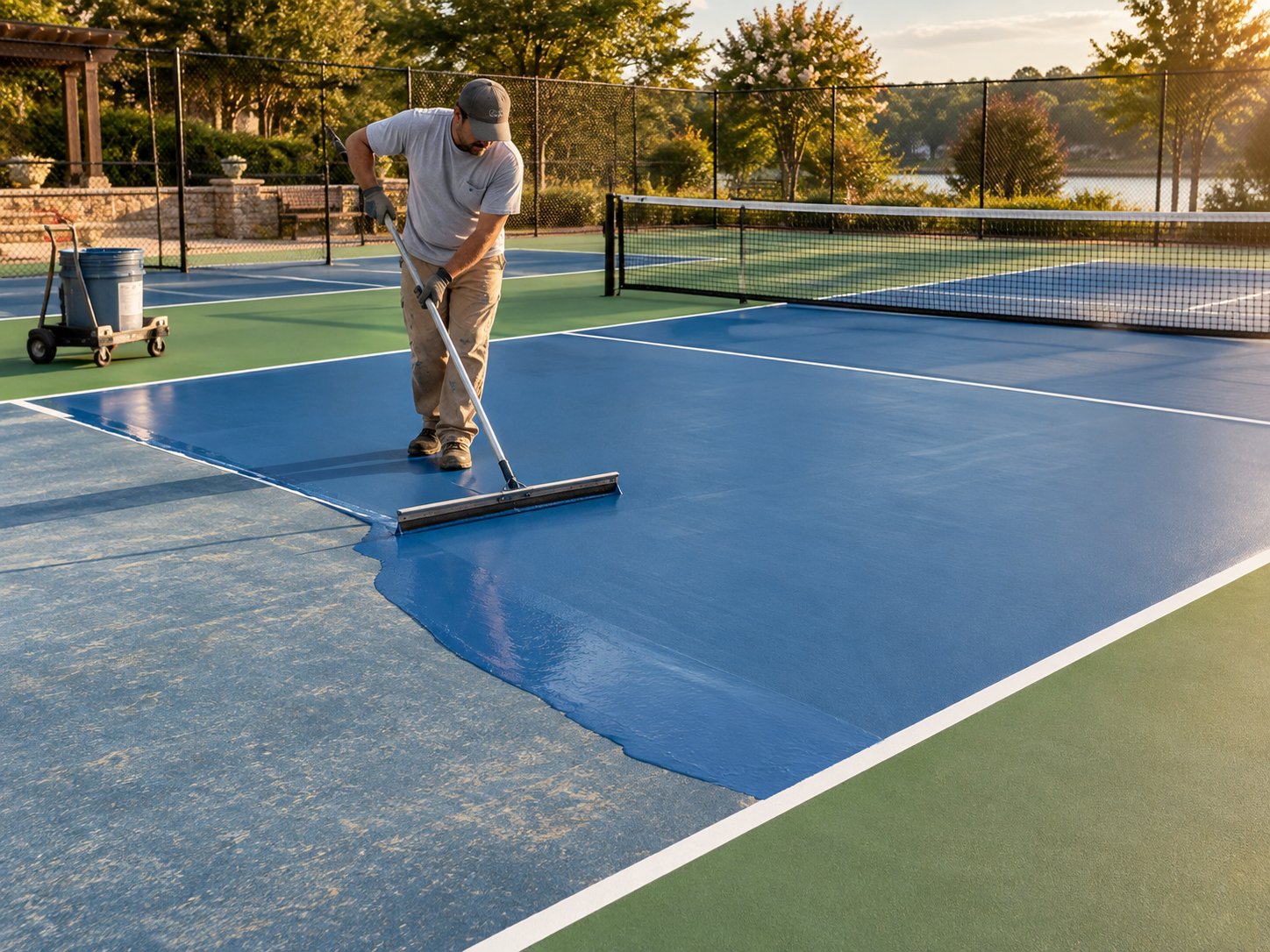
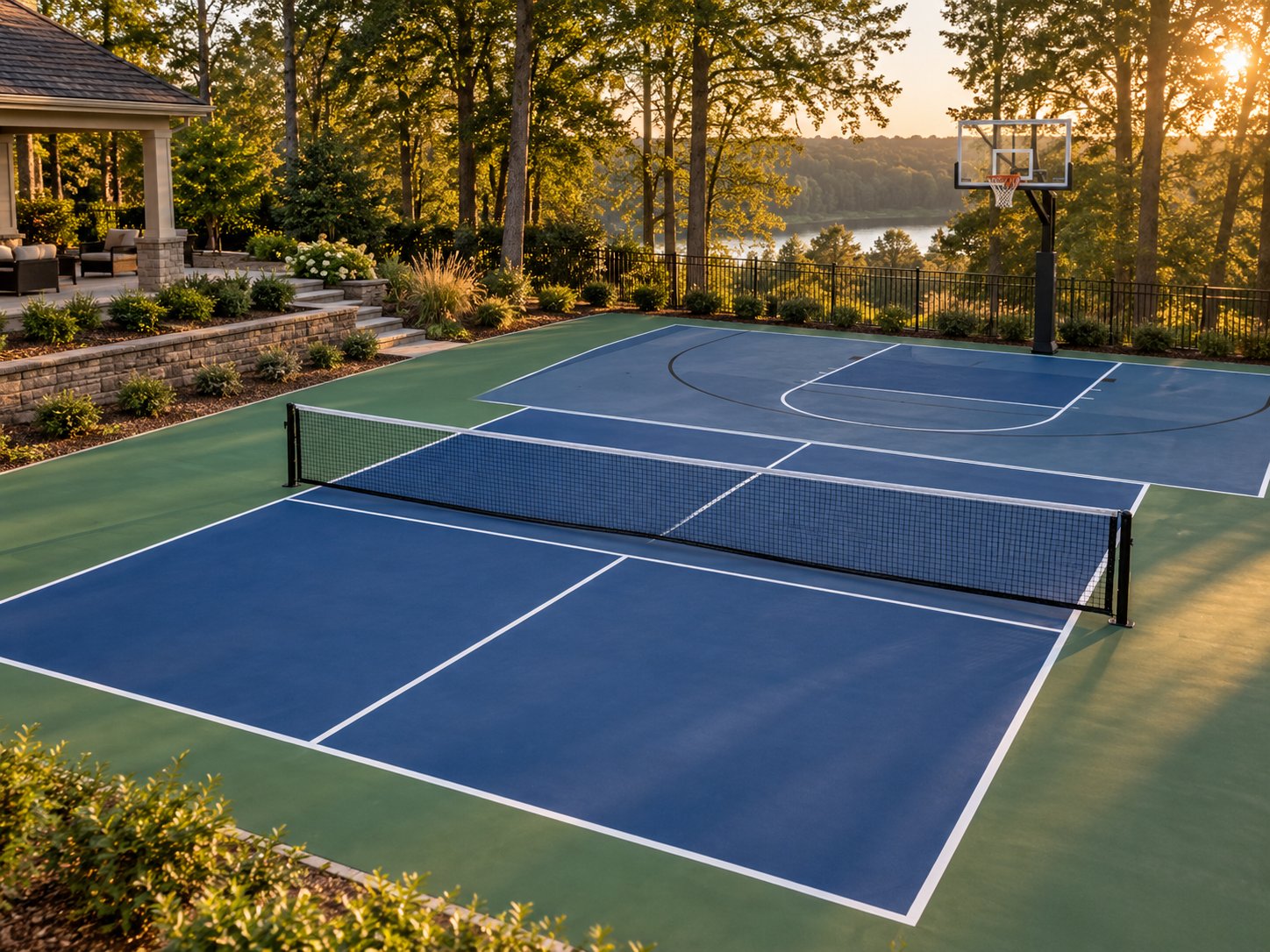
Whether you're a homeowner in West Ashley wanting a backyard court for family use, an HOA board on Daniel Island fielding requests from residents, or a resort operator on Kiawah looking to add amenities that guests actually use, we build and resurface courts suited to the Lowcountry's specific conditions. We also handle tennis to pickleball conversions for communities with aging tennis courts that see more pickleball demand than tennis play these days, plus multi sport courts that combine pickleball with other uses for shared community space.
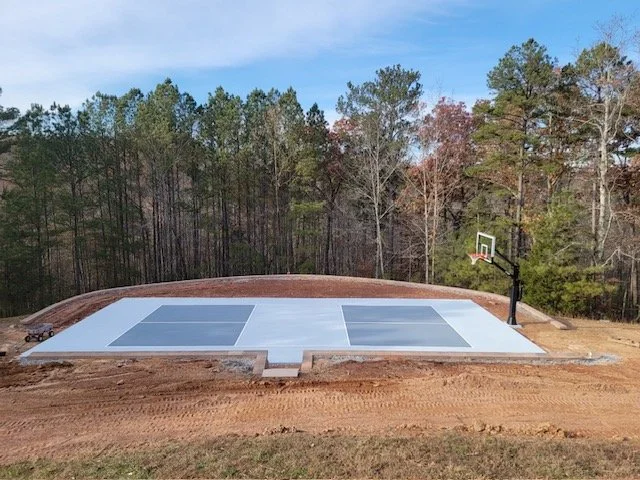
Much of Charleston County sits on sandy soil or, closer to the water, pluff mud, a soft organic sediment that doesn't drain or compact the way a standard clay base does. Add in a water table that can sit just a few feet below grade in many neighborhoods, and you have a recipe for settling, cracking, or standing water if the site isn't graded and built correctly from the start. This is why we spend extra time on site evaluation before any concrete goes down, checking drainage patterns and soil composition so the base can handle what's underneath it.
In practice, that often means additional base preparation, proper compaction, and sometimes elevated or crowned pads that shed water away from the playing surface instead of letting it pool. It costs more upfront to do this correctly, but it's the difference between a court that lasts for years and one that needs early repair. We talk through these soil specific decisions with every Charleston area client so there are no surprises once construction starts.
Coastal air brings salt that can accelerate wear on certain coatings, fencing, and hardware if they aren't rated for a marine type environment. Courts built near Mount Pleasant, Daniel Island, Kiawah, or anywhere close to tidal creeks and marshland need surface coatings and metal components chosen with that salt exposure in mind, along with UV resistant acrylic surfacing that can also stand up to the Lowcountry's long, humid summers.
Humidity also affects cure times during construction, so scheduling and material selection have to account for Charleston's weather patterns rather than following a generic timeline. We factor this into every project plan, adjusting for the season and site conditions so the surfacing cures properly and holds its color and texture over time.
Hurricane season runs long on the South Carolina coast, and any outdoor amenity, including a pickleball court, needs to be built with that reality in mind. Proper drainage design helps prevent standing water and surface damage during heavy rain events, and fencing or windscreen choices matter too, since high wind loads can turn loose materials into a liability during a storm. We design courts with these factors built in rather than treated as an afterthought.
For HOAs and clubs managing shared amenities on Daniel Island, Kiawah, or similar coastal communities, this also means planning for occasional storm related maintenance. A well built court recovers from a tropical storm much more easily than one with substandard drainage or base work, so the upfront investment in proper construction pays off when the next named storm comes through.
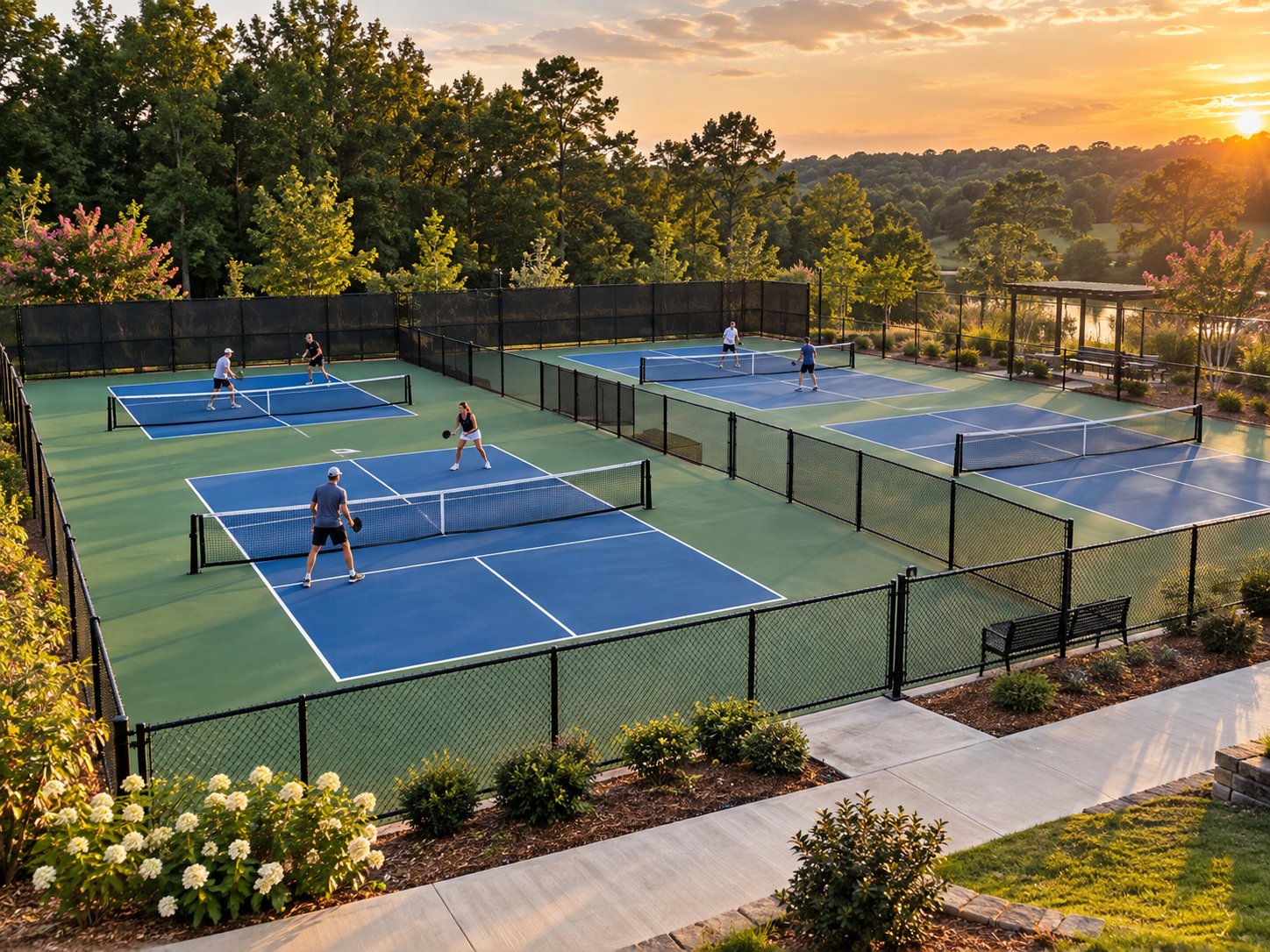
Charleston has one of the more active pickleball cultures in the Southeast, and demand is coming from several directions. Homeowners in West Ashley and Summerville are adding backyard courts as a family amenity, while HOAs in planned communities on Daniel Island and Johns Island are fielding resident requests to add or convert courts to meet growing pickleball interest. Resorts and private clubs along the coast, including properties near Kiawah, are adding courts as a guest amenity that draws repeat visitors.
We also see a steady stream of tennis to pickleball conversion projects, especially in older neighborhoods where tennis courts built decades ago are seeing far more pickleball paddles than tennis racquets. Converting an existing court is often more cost effective than new construction, provided the existing slab is in good enough condition to build on, which is something we assess carefully given the region's soil movement over time.
Permitting requirements vary across Charleston County and its municipalities, and projects within HOA governed communities typically require architectural review board approval before any construction begins. We help clients understand what documentation their HOA or local permitting office is likely to require, including site plans and drainage information, so the approval process doesn't stall the project timeline.
Once approvals are in place, construction timelines depend on site conditions, weather, and the scope of the project, whether that's a new backyard court, a full club facility, or a resurfacing job. We build out a realistic schedule for each project upfront, accounting for Charleston's rainy season and humidity so clients know what to expect before the first shovel goes in the ground. For questions about your specific property, call (706) 502-0831.
Choose your layout, court colors, kitchen, and borders, then see your court come to life before we ever break ground. Send us your design for a free quote.
Launch the Court Builder →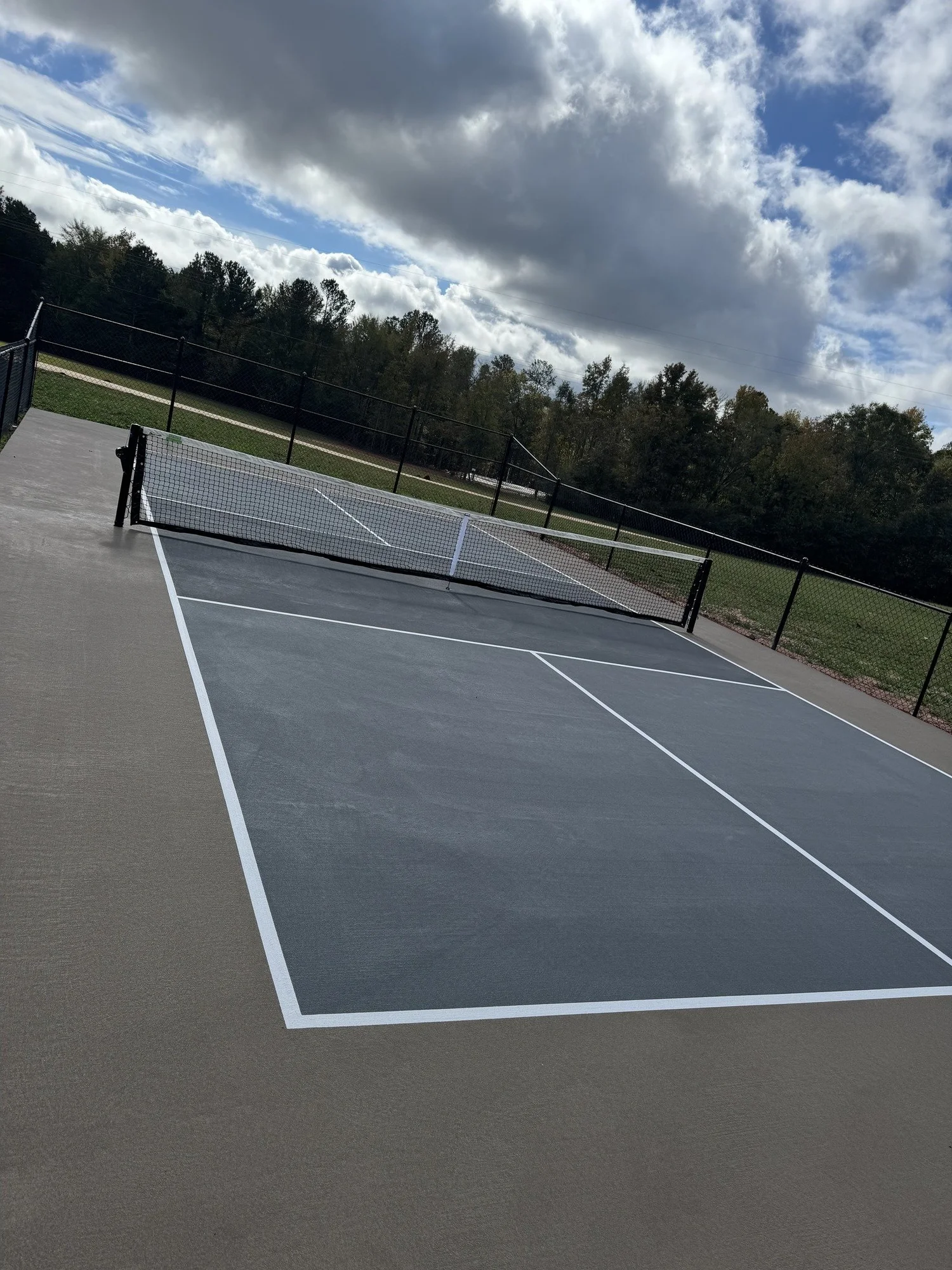 Try It Free
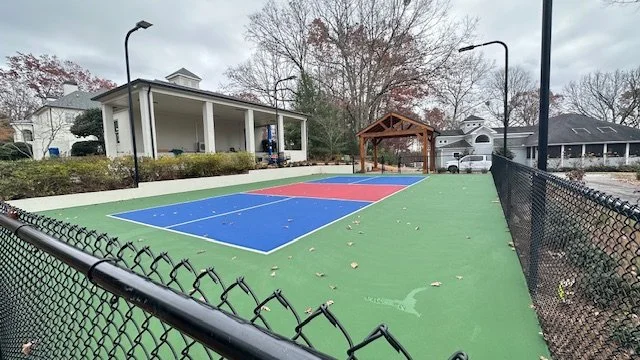
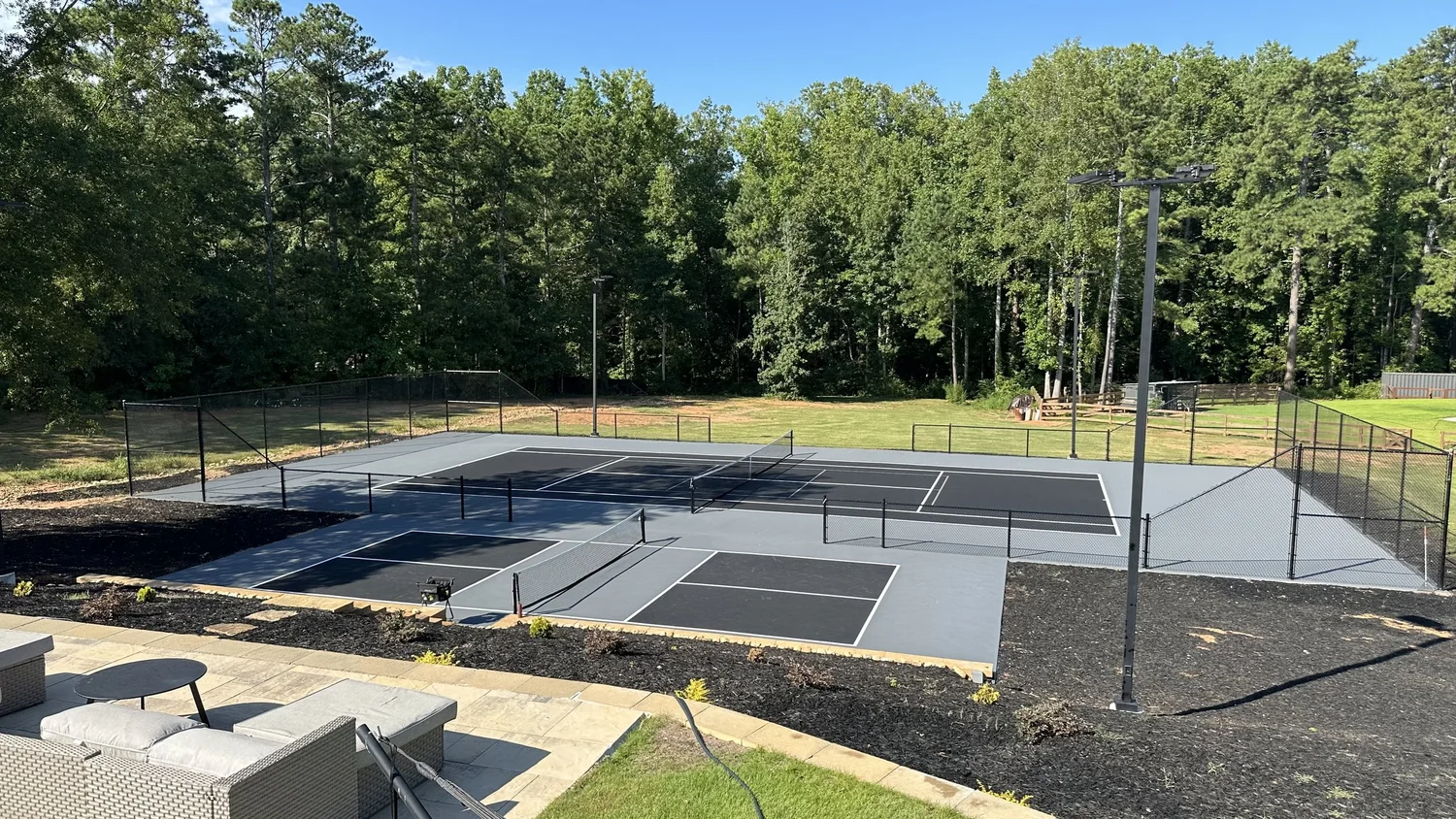
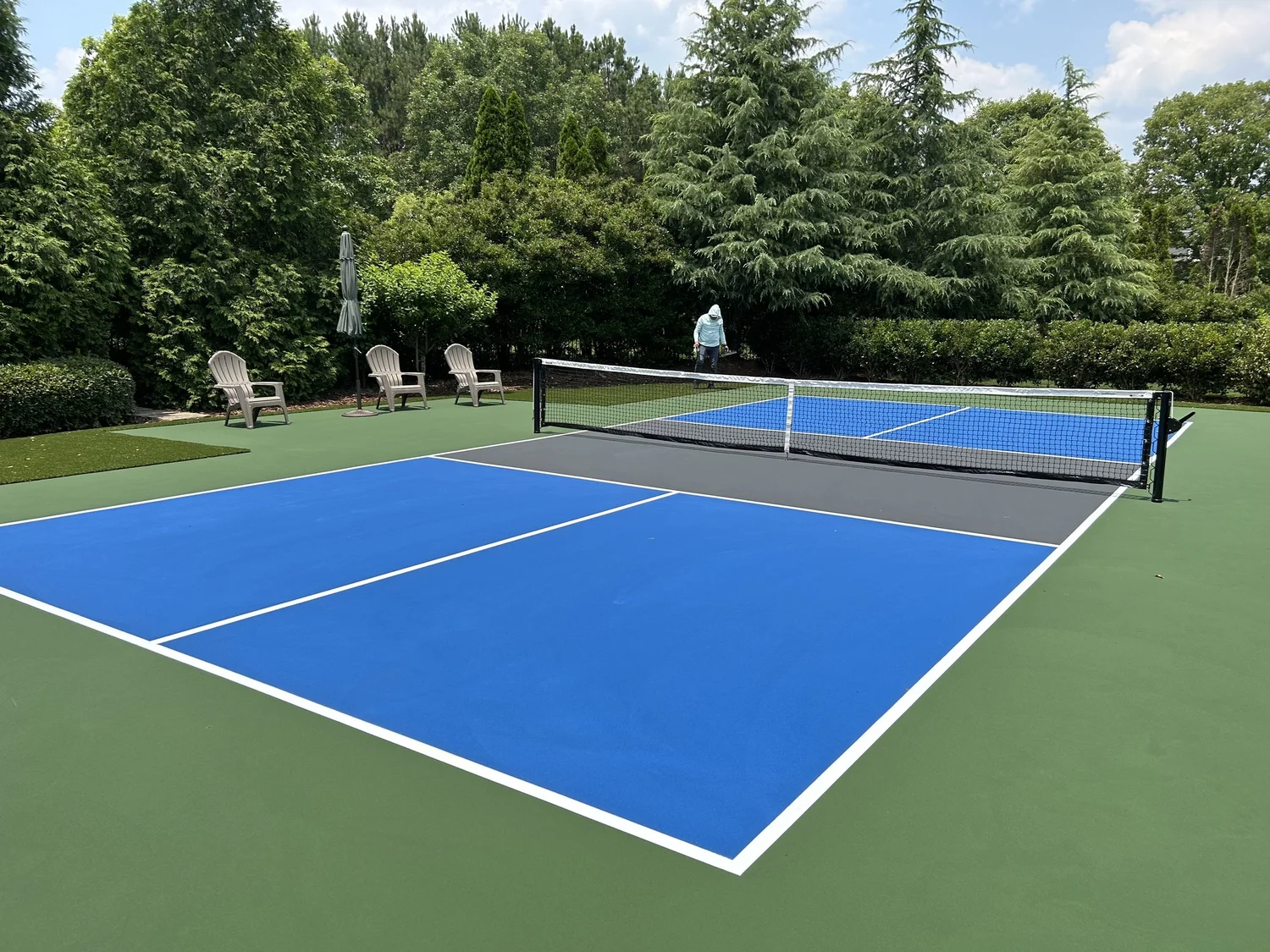
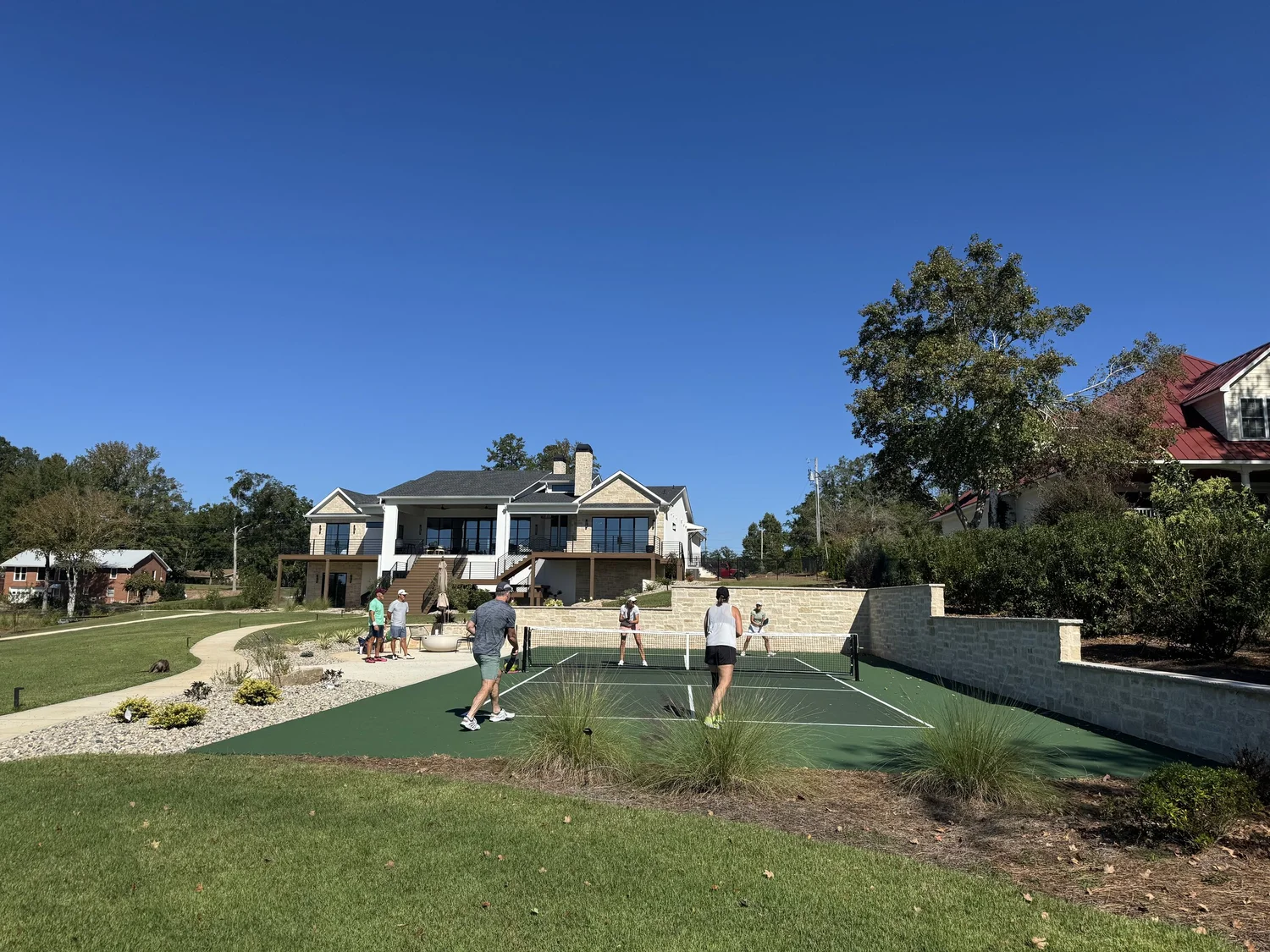
New courts, fresh color, and first serves from Charleston and across the Southeast. Pick a platform and come play along.
Looking for pickleball court builders near me in Charleston? We build courts throughout Charleston County and the zip codes around Charleston, including 29401, 29403, 29407, 29412, 29414 and 29492. We also serve nearby Hilton Head and Myrtle Beach, so if you are searching for a pickleball court contractor near me anywhere in this part of South Carolina, give us a call.
Every project starts with a site visit to check grading, drainage, and access. From there we put together a layout and quote, and you can even design your court colors online before we break ground. See the full list of areas we service.
Want a hoop too? We also offer basketball court construction in Charleston and tennis court construction in Charleston.
Cost depends on site conditions such as soil type, drainage needs, and whether additional base preparation is required for sandy or pluff mud soils common in the Lowcountry. Court size, fencing, surfacing material, lighting, and whether it's new construction versus a tennis court conversion also factor in. Coastal properties near Mount Pleasant or Kiawah may need salt resistant materials and hardware, which can affect material choices. We provide a project specific assessment after evaluating your site rather than a generic estimate.
Timelines vary based on project scope, site prep needs, and weather, since Charleston's humidity and rainy season can affect concrete curing and surfacing schedules. A straightforward resurfacing job moves faster than new construction that requires significant drainage work or soil remediation. We walk through a realistic timeline with each client once we've assessed the site and confirmed permitting requirements.
Many communities in and around Charleston, including Daniel Island and other planned developments, require architectural review board approval before construction begins, and local municipalities may have their own permitting requirements as well. We help clients prepare the site plans and documentation typically requested so the approval process moves smoothly alongside construction planning.
Yes, when the court is built with the right base preparation, drainage design, and surfacing materials for this climate. UV resistant acrylic surfacing handles the Lowcountry's long, hot summers, and salt resistant fencing and hardware help offset the effects of coastal air near the marsh and waterfront. Proper drainage planning also reduces the risk of standing water or surface damage during heavy rain or storm events. Call (706) 502-0831 to discuss what your site specifically needs.
We serve Charleston zip codes including 29401, 29403, 29407, 29412, 29414, 29492, plus the surrounding Charleston County area.
Talk with Peachtree Pickleball Courts about your property, your goals, and the court you have in mind. We bring pickleball to you.