 📞 (706) 502-0831 📞 (706) 502-0831
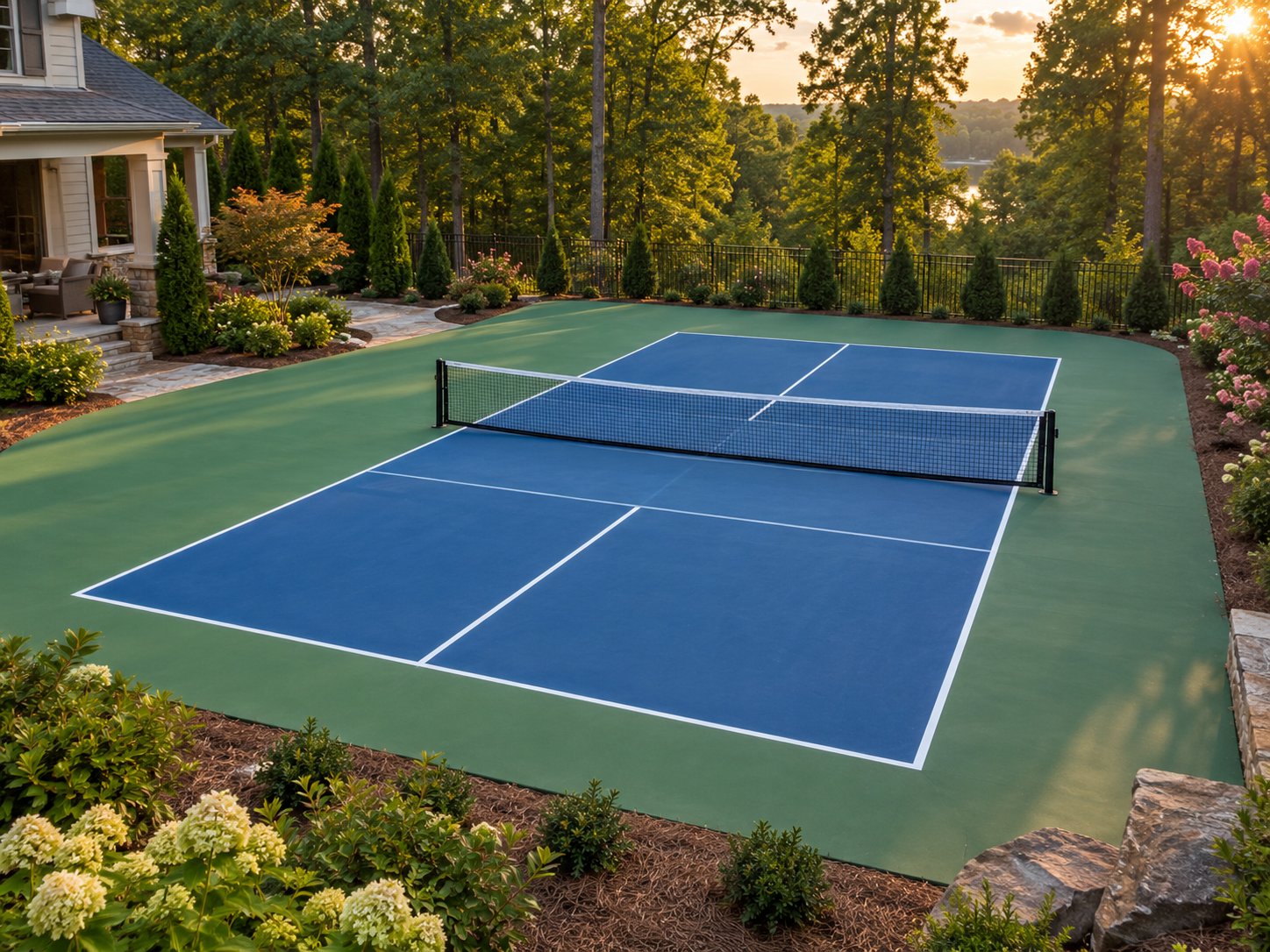
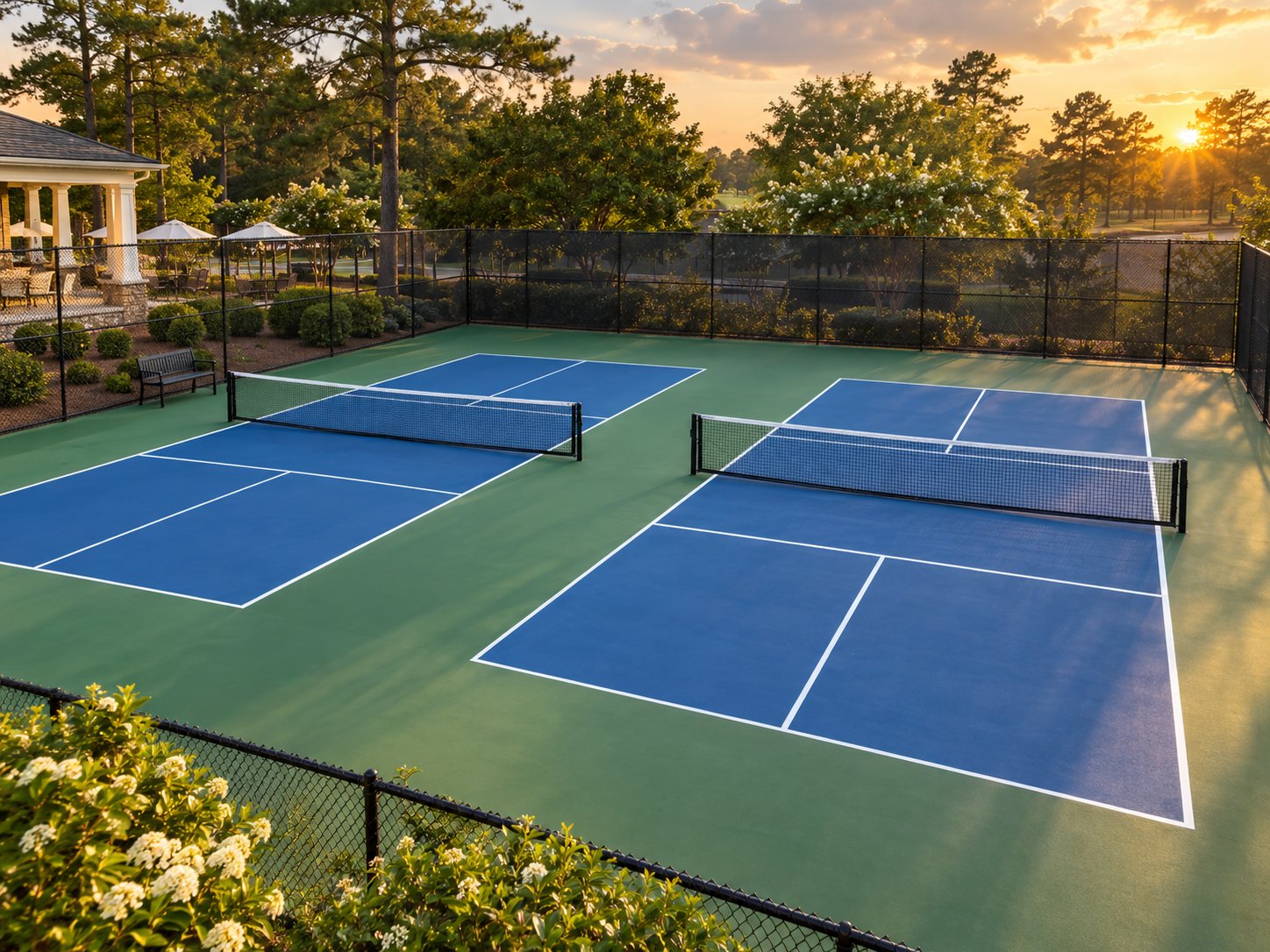
Custom backyard, HOA, club, and community pickleball courts in Statesboro and across Bulloch County. Built for Georgia weather and years of great play.
We've received your request. Someone from our team will reach out to you shortly.
Need us sooner? Call (706) 502-0831
Statesboro sits in Georgia's coastal plain, a region defined by flat, sandy terrain and a growing population tied to Georgia Southern University and the surrounding agricultural communities of Bulloch County. Peachtree Pickleball Courts has extended its reach from metro Atlanta into this market, working with local crews and regional concrete partners who understand how sandy soils and seasonal rainfall behave here. Whether you own a few acres outside Brooklet or a home in one of Statesboro's established subdivisions, building a court in this area requires a different approach than building one in the Piedmont region farther north.
Pickleball has taken hold in Statesboro the way it has in college towns and small cities across the Southeast. Georgia Southern students, faculty, and staff play recreationally, while longtime residents and retirees moving into the area are looking for a low impact sport that fits a slower, more social pace of life. That demand is showing up in backyard court requests, HOA discussions, and interest from local clubs and recreation facilities that want to add courts without waiting on municipal budgets.
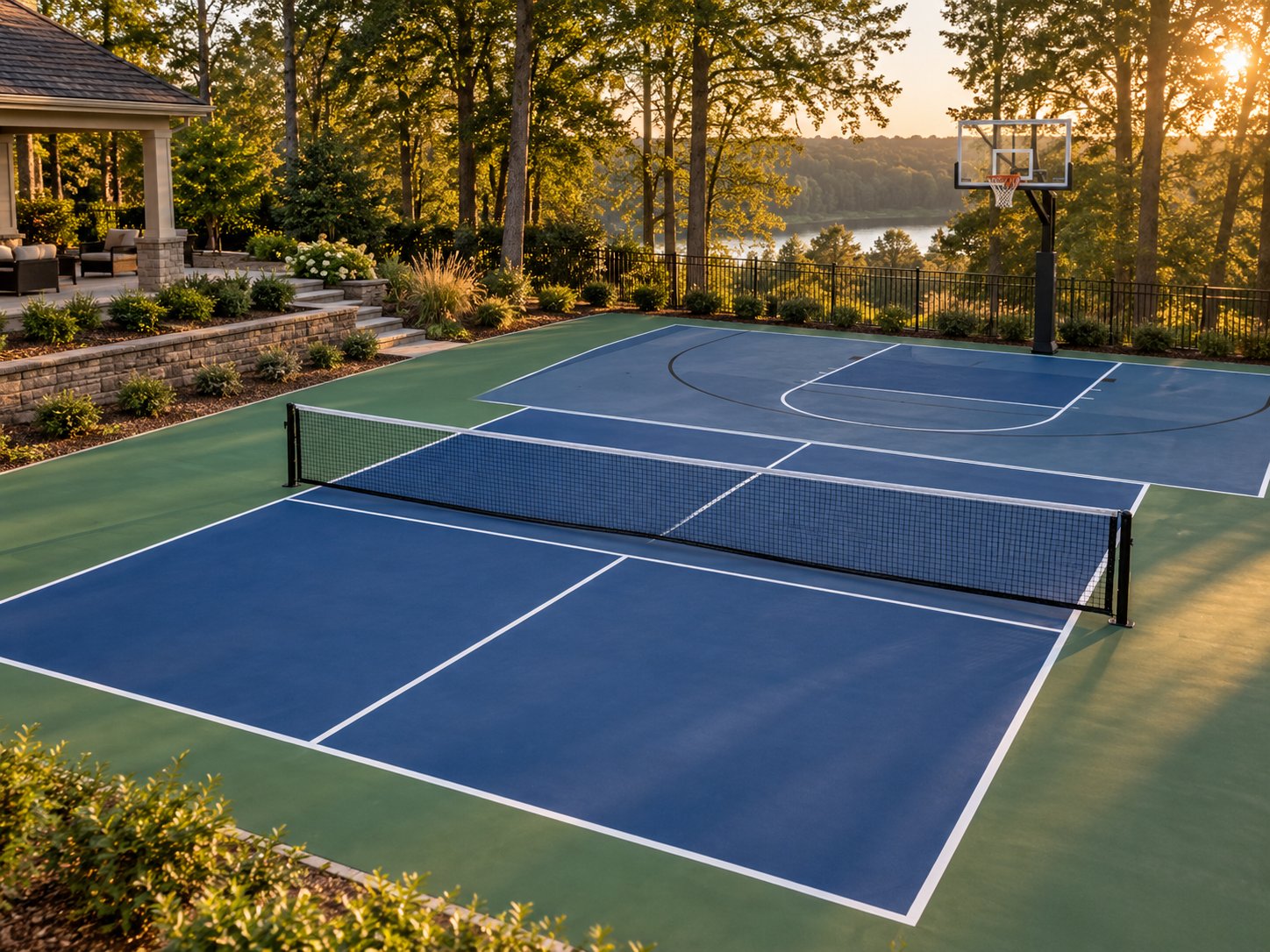
We build and resurface courts throughout the Southeast, including backyard and residential courts, HOA and community courts, club and resort courts, commercial installations, and multi sport surfaces that combine pickleball with basketball or tennis lines. We also handle tennis court resurfacing and full tennis to pickleball conversions for properties that already have a slab or tennis court in place. Every project in the Statesboro area starts with an honest look at the soil, drainage, and site conditions specific to that lot.
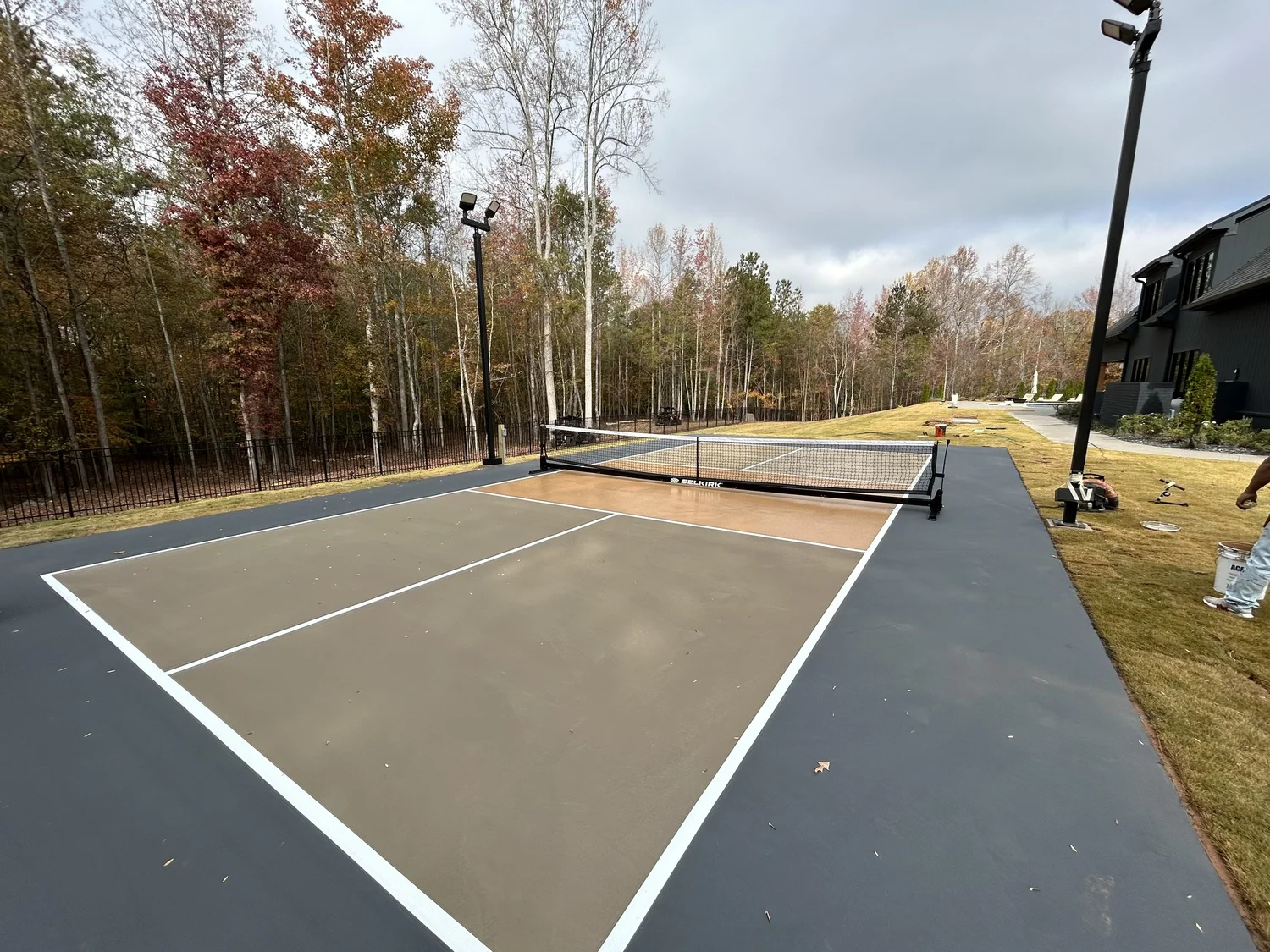
Bulloch County sits squarely in Georgia's coastal plain, where soils tend to be sandy, well drained, and looser than the clay found in metro Atlanta and the Piedmont. That sandy composition drains water quickly, which is a benefit for avoiding standing water, but it also means the base beneath a court needs careful compaction and grading to prevent settling over time. A court built on sandy soil without the right base preparation can develop low spots, cracking, or uneven settling within a few years.
Our approach in this area involves working with local crews who understand how to properly compact sandy coastal plain soil, often using a stabilized aggregate base designed to hold its shape under Georgia's heat and heavy summer rain. We also look at how water moves across the site before construction starts, since flat terrain common throughout Statesboro and the surrounding rural areas can make drainage planning just as important as the surface material itself.
Much of the land around Statesboro, Brooklet, Portal, and Register is flat, open, and rural, often sold in larger acreage parcels rather than small suburban lots. That flat terrain simplifies some aspects of court layout since extensive grading or retaining wall work is less often needed, but it also means water has fewer natural paths to drain away from a court pad if the site isn't graded with a deliberate slope. A properly built court needs a slight, consistent pitch across the surface, even on land that looks perfectly level to the eye.
For homeowners on rural acreage, we also consider access for construction equipment, distance from the home for noise and privacy, and how the court will relate to existing structures like barns, pole buildings, or pastures. Rural lots often give homeowners more flexibility in court placement and orientation than a tight subdivision lot would, which is worth factoring in early during design.
Interest in pickleball courts around Statesboro comes from a mix of sources. Homeowners with rural acreage outside town, retirees settling into quieter communities, and families in established subdivisions make up much of the backyard court demand. Georgia Southern's presence also brings a younger, active population to the area, which has pushed interest in courts at apartment complexes, private clubs, and recreational facilities that serve students and staff alike.
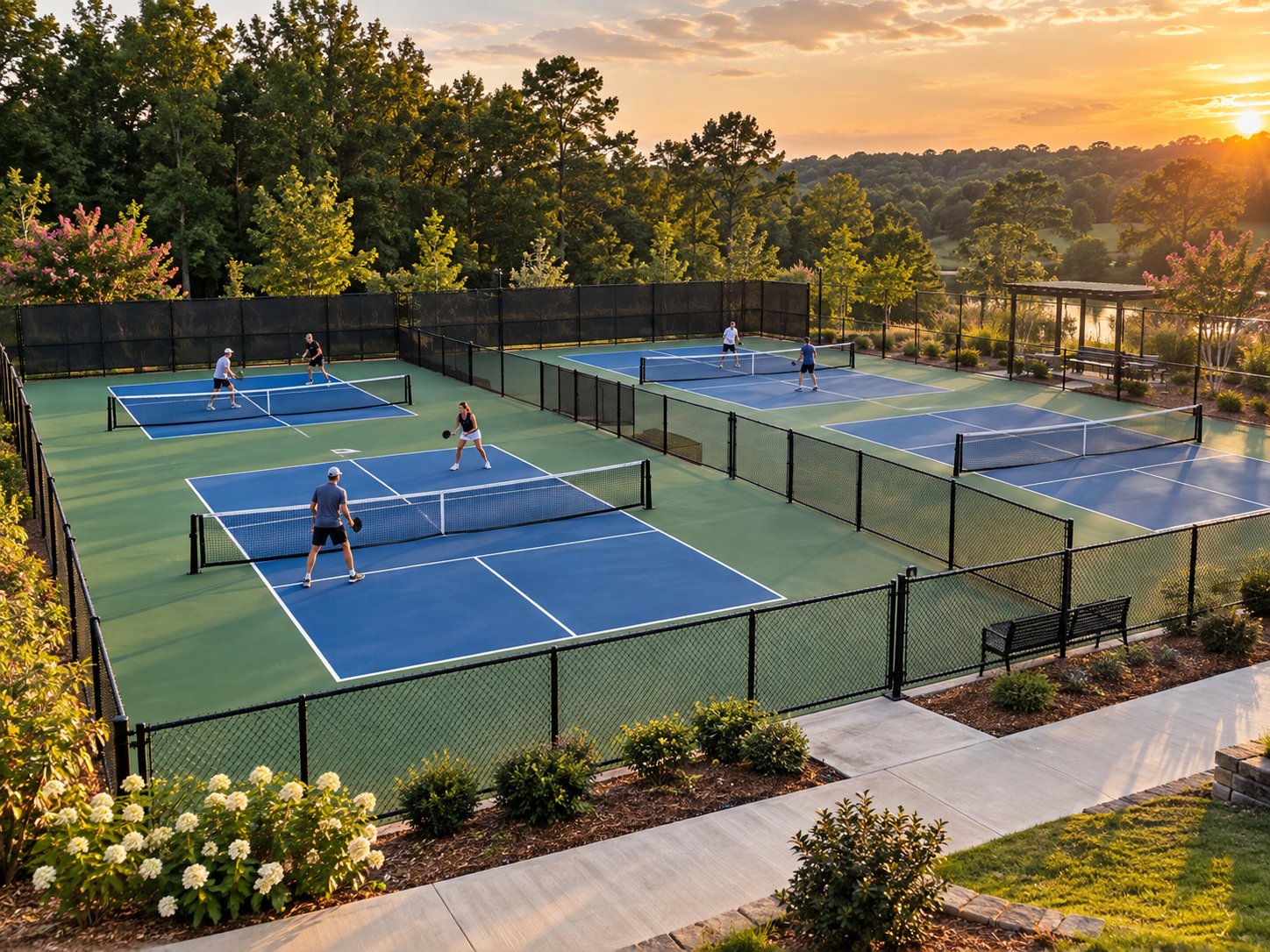
HOAs in newer Statesboro developments are also fielding requests from residents who want to add or convert a court as part of community amenities, often alongside existing tennis courts that see less use than they once did. We work with HOA boards through that process, from initial layout questions to coordinating with contractors once approval is secured, and the same team handles commercial and club scale projects for property owners who want to add courts as an amenity for tenants, members, or guests.
Statesboro and the surrounding county have a fair number of aging tennis courts, both at private residences and community facilities, that no longer see consistent use. Rather than building new from scratch, many property owners choose to convert that existing tennis court into one or more pickleball courts, which can be a more efficient use of a slab that's already there. This is especially common in HOA settings and at clubs where tennis participation has declined but the asset itself, the concrete pad, is still structurally sound.
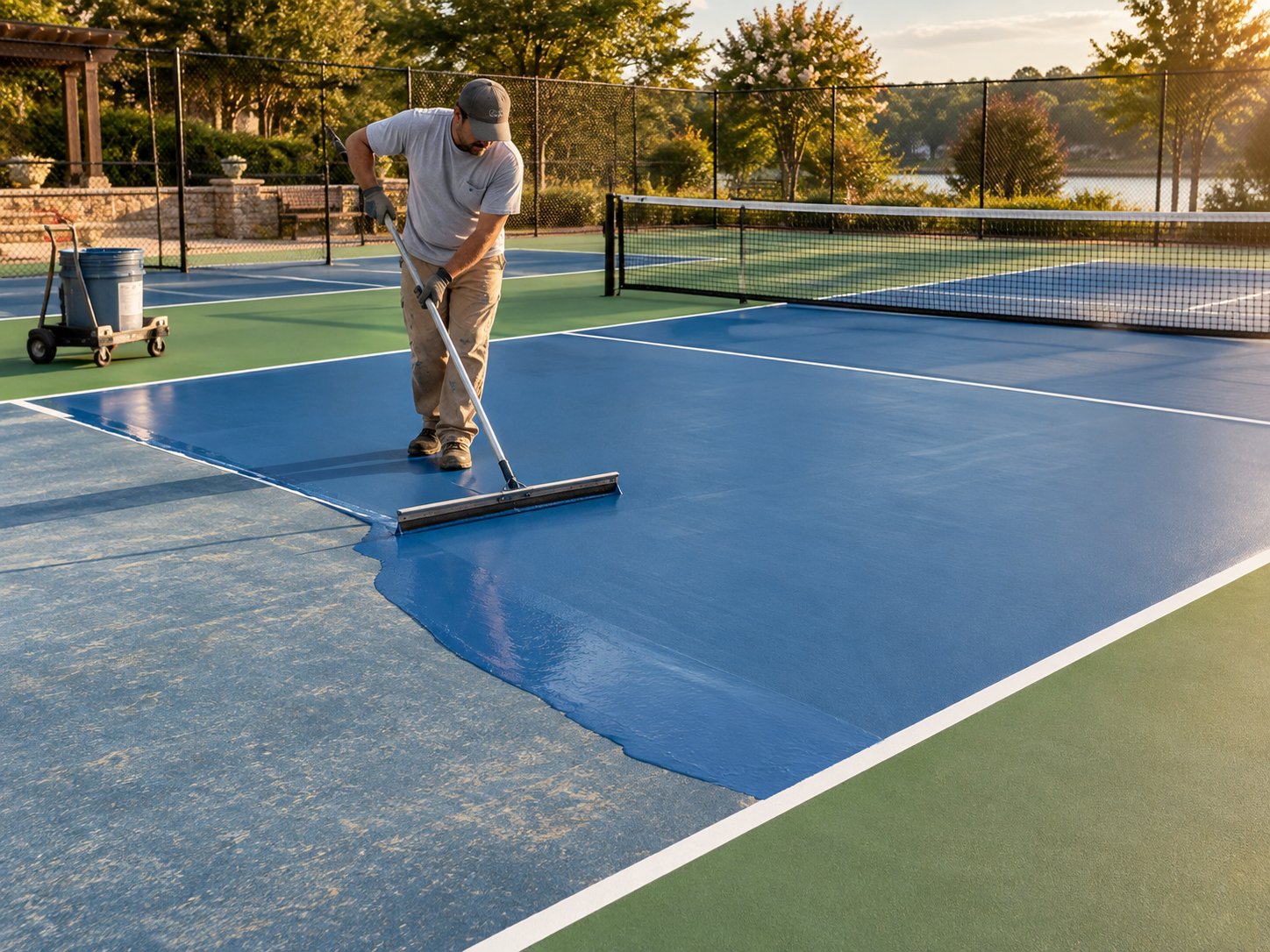
A conversion project typically starts with an assessment of the existing surface for cracking, drainage issues, or settling, since coastal plain soils can shift slightly over the years even under an established slab. From there we handle resurfacing, striping for multiple courts, and net system installation, giving property owners a refreshed amenity without the cost or disruption of a full teardown and rebuild.
Southeast Georgia summers bring long stretches of heat and humidity, along with heavy, sometimes sudden rainfall typical of the coastal plain's subtropical climate. Court surfaces in this region need coatings and materials that can handle UV exposure without fading or becoming brittle, and a base and drainage system that sheds water quickly rather than letting it pool and seep into the sub base. This matters more in Statesboro's climate than it might in a drier or cooler part of the state.
We select surface systems and work with local crews on construction methods that account for these conditions, from proper curing time during humid stretches to coatings formulated for long term sun exposure. The goal is a court that holds its color, its texture, and its playing surface integrity through repeated Georgia summers rather than one that needs major resurfacing again within just a few years.
Choose your layout, court colors, kitchen, and borders, then see your court come to life before we ever break ground. Send us your design for a free quote.
Launch the Court Builder →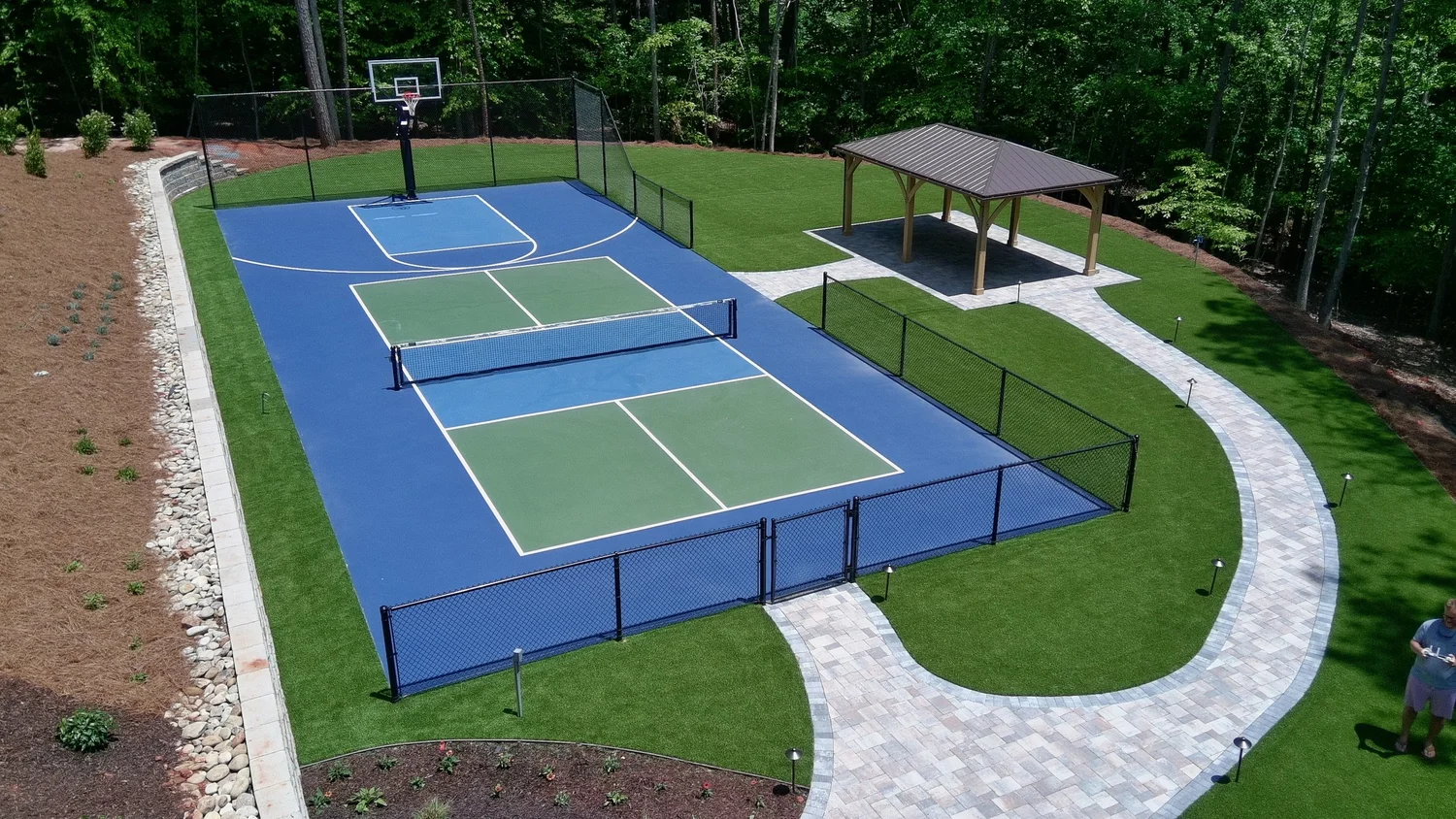 Try It Free
New courts, fresh color, and first serves from Statesboro and across the Southeast. Pick a platform and come play along.
Looking for pickleball court builders near me in Statesboro? We build courts throughout Bulloch County and the zip codes around Statesboro, including 30458 and 30461. We also serve nearby Savannah and Augusta, so if you are searching for a pickleball court contractor near me anywhere in this part of Georgia, give us a call.
Every project starts with a site visit to check grading, drainage, and access. From there we put together a layout and quote, and you can even design your court colors online before we break ground. See the full list of areas we service.
Want a hoop too? We also offer basketball court construction in Statesboro and tennis court construction in Statesboro.
Cost depends on site conditions, the size and number of courts, surface material, fencing, lighting, and whether the project is new construction or a conversion of an existing slab. Rural acreage sites sometimes require more site prep for access and grading even though the land itself is flat, while a conversion of an existing tennis court can reduce costs since the base concrete is already in place. We review the specific site before giving any project specific figures.
Timelines vary based on site prep needs, weather, and whether the project is a new build or a resurfacing or conversion job. Sandy coastal plain soil can actually speed up some excavation work compared to heavier clay soils, but proper base compaction and curing time still take patience. We'll walk through a realistic schedule for your property once we understand the scope of work.
Permit requirements depend on your specific location, whether you're inside Statesboro city limits or in unincorporated Bulloch County near Brooklet, Portal, or Register, and local zoning rules. If you live in an HOA community, you'll also need to go through your community's architectural review process before construction begins. We can help provide the documentation and project details HOA boards or local permitting offices typically request.
Yes, when it's built with the right base preparation and surface coatings for this region. Southeast Georgia's heat, humidity, and heavy rain events call for a well compacted base suited to sandy soil, a graded slope for drainage, and UV resistant surface coatings. These choices make a meaningful difference in how well a court performs and looks over the years in this climate compared to a generic installation not suited to coastal plain conditions.
We serve Statesboro zip codes including 30458, 30461, plus the surrounding Bulloch County area.
Talk with Peachtree Pickleball Courts about your property, your goals, and the court you have in mind. We bring pickleball to you.